Table of contents
Gardening enthusiasts are constantly searching for effective ways to protect their plants from unwanted animal visitors. Among the various solutions, ultrasonic repellers have become increasingly popular, promising to keep pests at bay without harming the environment. Uncover the science behind these devices and explore whether they truly live up to their reputation in garden settings.
Understanding ultrasonic pest repellers
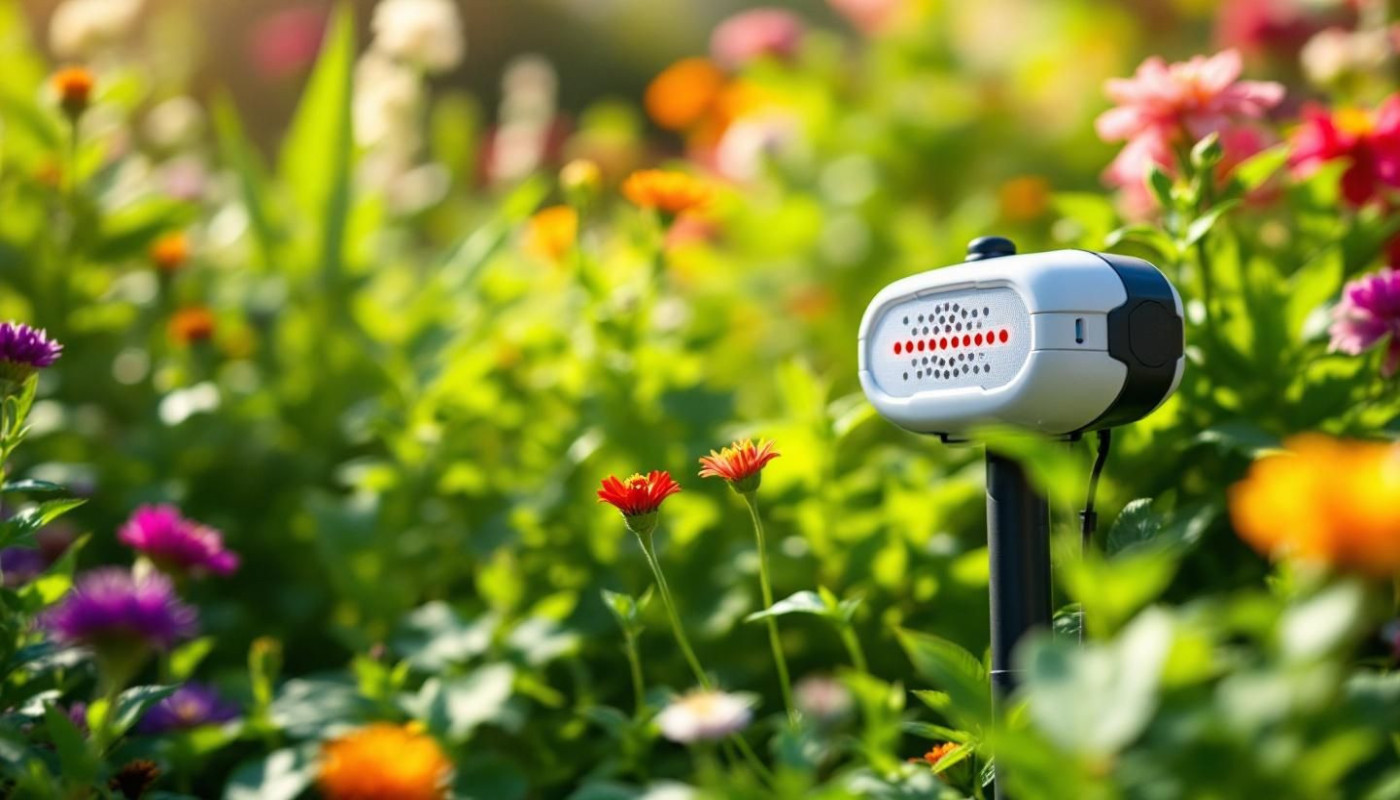
Ultrasonic repellers are high-frequency devices designed for pest control by emitting sound waves at ultrasonic frequency levels, typically above the range of human hearing. These devices utilize advanced acoustic technology to produce sound waves that are disruptive to the nervous systems of common garden pests such as rodents, insects, and some small mammals. The concept behind ultrasonic frequency is that it operates in the range of 20 kHz and higher, a spectrum that most pests can detect but humans and pets generally cannot. Exposure to these ultrasonic sound waves causes discomfort and disorientation in pests, discouraging them from inhabiting or feeding in the treated areas. The result is a non-toxic, environmentally friendly approach to managing garden pests without relying on chemical treatments or physical traps.
In practical application, ultrasonic repellers work by continuously emitting these high-frequency sound waves throughout a garden space. The effectiveness of this technology depends on factors such as the type of pest species present, the size and layout of the garden, and the presence of physical barriers that may absorb or block sound waves. For instance, rodents have been shown to be sensitive to certain ultrasonic frequencies, leading to avoidance behavior, while some insect species may be less affected depending on their sensory biology. The use of high-frequency devices allows for targeted pest control, aiming to minimize the impact on beneficial organisms and the surrounding ecosystem.
While ultrasonic repellers offer a promising alternative for managing garden pests, their efficiency can vary. Research in acoustic technology and pest behavior suggests that repeated or long-term exposure to ultrasonic frequencies may cause habituation in some species, reducing the deterrent effect over time. For optimal results, experts recommend integrating ultrasonic repellers with other pest control strategies, such as physical barriers or habitat modification, to create a comprehensive defense against unwanted garden pests. This approach leverages the strengths of sound wave technology while addressing its limitations, ensuring a safer and more sustainable garden environment.
Assessing garden application
Garden ultrasonic repellers are widely used as a method of outdoor pest control, particularly in protecting green spaces from unwanted visitors. These devices emit high-frequency sound waves designed to act as a rodent deterrent and bird repellent, aiming to minimize crop damage or destruction of ornamental plants. The most common pests targeted in these settings include mice, voles, rats, certain insects, and occasionally birds, as their acute hearing makes them more susceptible to ultrasonic frequencies. Sound propagation becomes a primary consideration in the effectiveness of garden ultrasonic repellers, as outdoor acoustics present unique challenges. Factors such as plant density, uneven ground surfaces, and the presence of water features can absorb or deflect ultrasonic waves, potentially reducing the protected zone.
Placement of ultrasonic devices is key in maximizing garden protection. Open areas require strategic positioning to ensure the emitted sound waves cover critical zones without encountering significant obstacles that may dampen their effectiveness. Since sound propagation outdoors can be unpredictable, professionals recommend placing multiple devices at varying angles or elevations to create intersecting fields, optimizing coverage for comprehensive pest deterrence. Device maintenance and regular monitoring are also recommended, as environmental factors like rainfall, humidity, and temperature fluctuations can affect electronic performance. Overall, when correctly applied and maintained, garden ultrasonic repellers offer a non-toxic, low-maintenance solution for supplementing traditional outdoor pest control measures.
Evaluating scientific studies
A growing body of scientific studies has investigated ultrasonic repeller effectiveness in gardens, aiming to determine whether these devices deliver consistent pest deterrence. Research results are mixed, with several experiments utilizing rigorous experimental controls to minimize bias and account for environmental variation. Some studies report modest changes in pest behavior, such as altered movement patterns or temporary avoidance of areas where ultrasonic devices are active. Yet, there remains significant controversy regarding their efficacy in gardens, since other research shows pests quickly habituate to the sounds or display no measurable deterrence at all. Limitations in sample size, study duration, and the lack of standardized test protocols commonly complicate the ability to draw definitive conclusions, making it difficult to generalize findings across different pest species or garden environments. The sum of available data suggests that while ultrasonic repellers can influence certain pests under specific conditions, their overall effectiveness is variable and often less reliable than claimed in promotional materials.
Advantages and limitations
Ultrasonic repellers have gained popularity as pest management tools within the realm of garden technology. Their primary appeal lies in their ability to deter certain pests without resorting to chemical solutions, thereby reducing the risk of residue on edible plants and minimizing harm to beneficial insects. Since these devices emit high-frequency sound waves, they target pests like rodents or insects, often avoiding the direct application of pesticides. This aligns with current environmental impact concerns, as many gardeners seek eco-friendly solutions. Maintenance issues do arise, though, as ultrasonic devices require regular battery checks or electrical access, and their weather resistance can be variable — prolonged exposure to rain or extreme temperatures may shorten their lifespan or diminish efficacy. These factors highlight the need for careful installation and routine inspection to sustain performance.
Despite their promise, ultrasonic device pros and cons must be weighed, especially regarding their impact on non-target organisms. Some studies suggest these sound waves might disturb pets or even beneficial wildlife, such as pollinators and birds, potentially disrupting the garden's ecological balance. Moreover, their actual effectiveness in repelling pests remains subject to debate within expert horticultural circles, as real-world conditions can differ markedly from controlled tests. As more consumers turn to garden technology for pest control, it is wise to stay informed by following reliable sources like news, which often cover product developments, user experiences, and scientific reviews.
Practical considerations for gardeners
When seeking the best pest control methods, a certified garden consultant emphasizes the value of combining ultrasonic repellers with integrated pest management practices for optimal results. Begin by evaluating the specific pest issues present, as ultrasonic devices are most effective against certain small mammals and insects, but may not impact all species. For successful device installation, position ultrasonic repellers at the height most frequently traveled by target pests and ensure there are no major obstructions, such as dense foliage or solid barriers, that could dampen the sound waves. For comprehensive garden protection advice, use multiple units to cover larger areas, adhering closely to the manufacturer’s recommended spacing and orientation guidelines.
Ultrasonic repeller tips from experts stress the significance of managing expectations: while some pests may be deterred initially, others can become habituated over time, making these devices less effective if used in isolation. Integrated pest management suggests supplementing ultrasonic devices with traditional deterrents, such as physical barriers, traps, and habitat modification (like removing debris and food sources attractive to pests). Regular monitoring of pest activity, combined with adjusting device placement or frequency, enhances long-term efficacy and helps avoid unnecessary chemical interventions.
For gardeners aiming for sustainable and responsible practices, integrating ultrasonic technology with a holistic pest management approach ensures safer outcomes for both plants and beneficial wildlife. A certified garden consultant recommends documenting pest occurrences before and after installation to assess the true impact, allowing for fine-tuning of strategies. By leveraging ultrasonic repeller tips alongside other proven garden protection advice, gardeners can build a resilient and adaptive defense system, promoting a healthier and more productive outdoor space.
Similar articles
Choosing Between Mulchers And Chippers For Efficient Land Management?
The rainwater chain, a symphonic and delicate accessory for your garden !

Home automation for seniors enhancing comfort and safety

Unraveling the Mystery of Biosphere Residences
